Understanding the DSIR 3-Year Operational Rule
Under the standard guidelines issued by the Department of Scientific & Industrial Research (DSIR) for Recognition of In-House R&D Units (RDI Guidelines), an applicant company is generally expected to have been in commercial existence and operating for at least three financial years prior to submitting an application.
This requirement is designed to ensure that applicant units represent genuine, ongoing research operations rather than temporary or shell entities. However, for fast-growing seed breeding companies, ag-biotech ventures, and high-capital research startups, waiting three full years before seeking DSIR accreditation can delay technology commercialization and access to research grants.
Are There Exemptions to the 3-Year Rule?
An analysis of official DSIR guidelines and evaluation committee practices reveals how newly established enterprises incorporated for less than three years can successfully apply:
Criteria for Applying Under 3 Years of Existence
Newly incorporated seed companies and ag-tech enterprises seeking DSIR recognition prior to completing 3 years must demonstrate the following compelling evidence in their application dossier:
| Requirement Category | Mandatory Proof & Documentation Required |
|---|---|
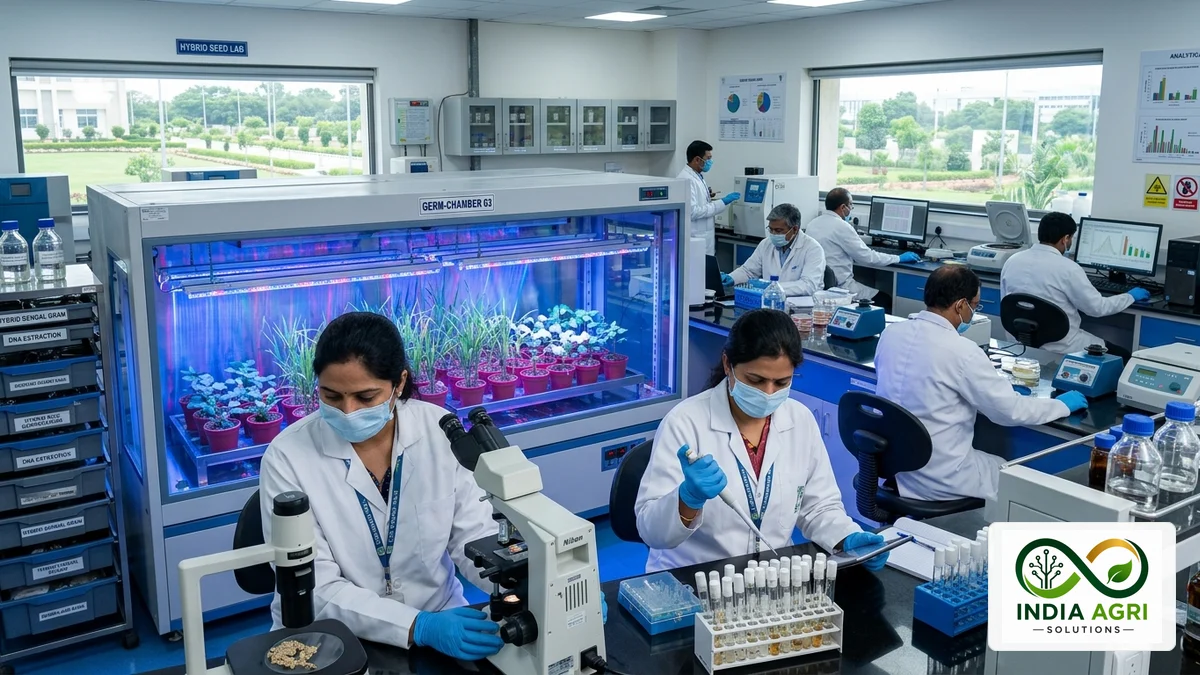
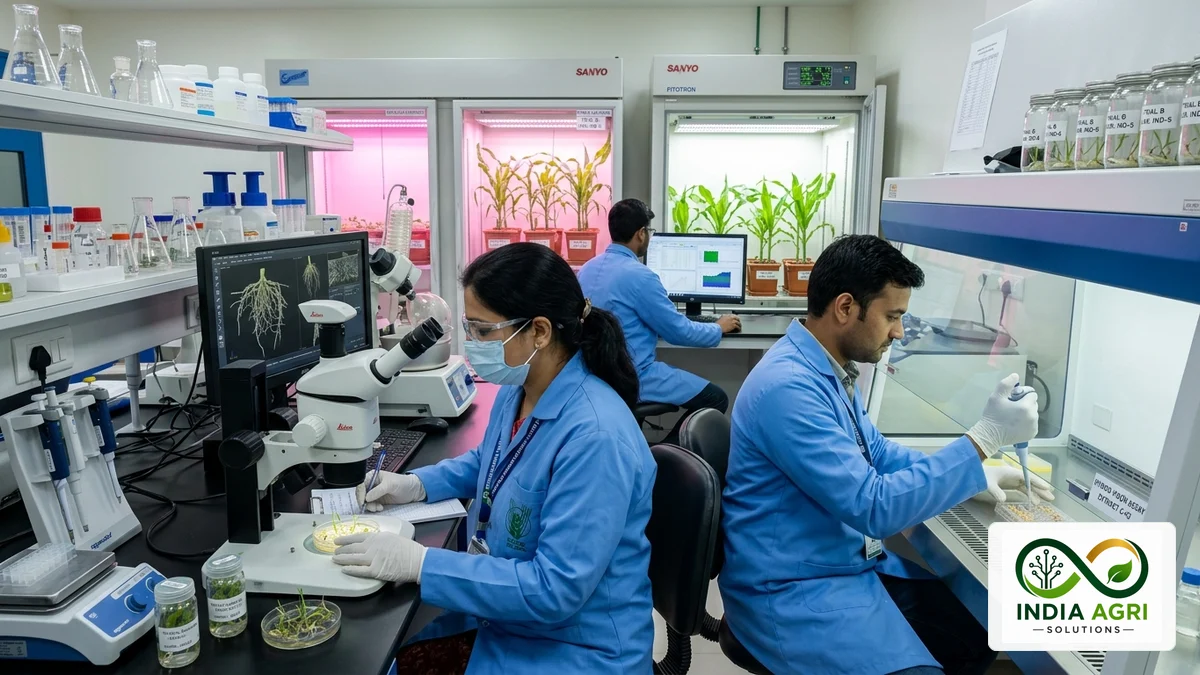
| Dedicated R&D Infrastructure | Fully established, exclusive laboratory space, polyhouses/net houses, and dedicated experimental research land (separate from commercial production fields). |
| Full-Time Qualified Scientists | Full-time employed M.Sc. / Ph.D. Plant Breeders, Biotechnologists, or Seed Technologists on company payroll with dedicated research roles. |
| Substantial Capital Outlay | Audited financial balance sheet showing significant capital expenditure on research equipment, germplasm development, and laboratory machinery. |
| Active Research Projects | Documented ongoing breeding programs, hybrid evaluation trials, or bio-formulation development with defined research objectives. |
How the Rule Differs for Tax Benefit Eligibility
It is vital to distinguish between two distinct approvals:
- DSIR In-House R&D Unit Recognition: Granted directly by DSIR under Ministry of Science & Technology rules. Eligible startups with operational R&D units can secure this recognition even within 1�2 years of incorporation.
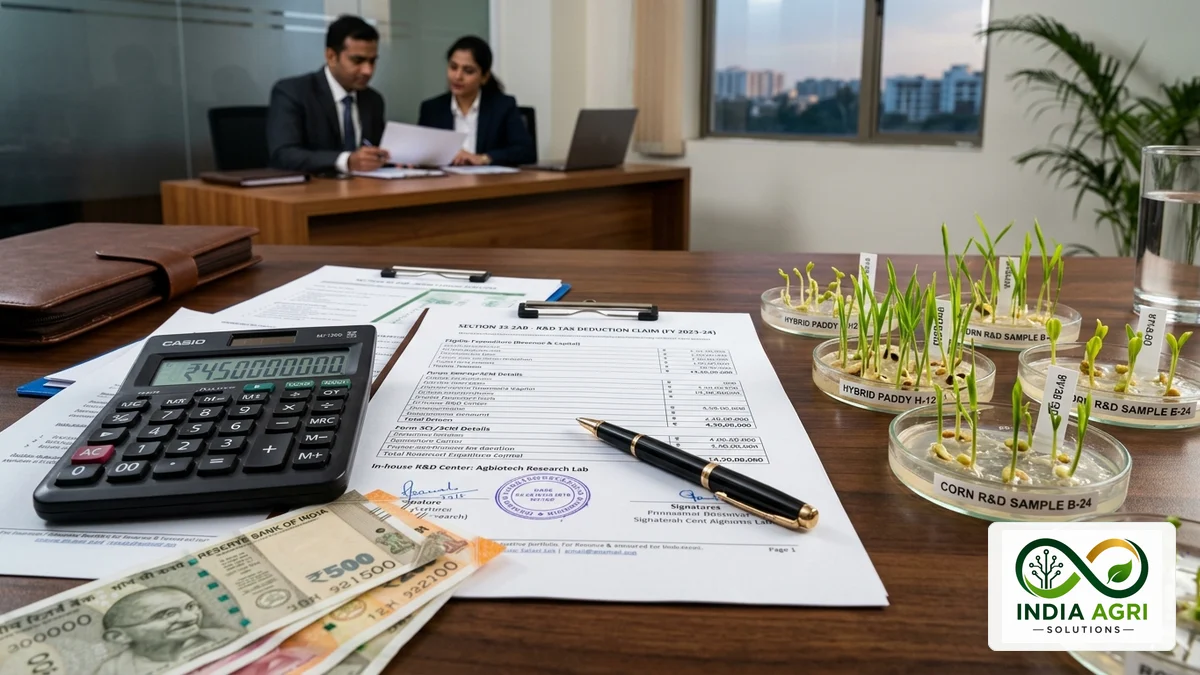
- Section 35(2AB) Tax Deduction Approval: Governed jointly by Income Tax Rules and Form 3CK/3CL filing. Claims require audited R&D account books verified by statutory auditors.
Is Your Startup Eligible for DSIR Recognition?
India Agri Solutions reviews startup R&D infrastructure, breeder credentials, and financial dockets to prepare high-probability DSIR applications.
Check Startup DSIR EligibilityFrequently Asked Questions
Can a 1-year-old seed company apply for DSIR recognition?
Yes, provided the company has established functional R&D facilities, engaged qualified plant breeders, and invested substantial capital in research assets. DSIR evaluates such applications on merit.
What is the minimum R&D floor area required for DSIR recognition?
DSIR guidelines require a segregated, dedicated R&D area separate from commercial production. For seed companies, this typically includes a research lab, seed storage room, and experimental trial plots.
Reviewed by India Agri Solutions Regulatory Panel
Senior Agricultural Regulatory Specialists & Agribusiness Consultants
Our advisory team consists of agricultural technocrats, seed production auditors, and regulatory consultants providing advisory services to seed companies, R&D units, and agribusinesses across India.