Strategic Value of DSIR Recognition for Agribusinesses
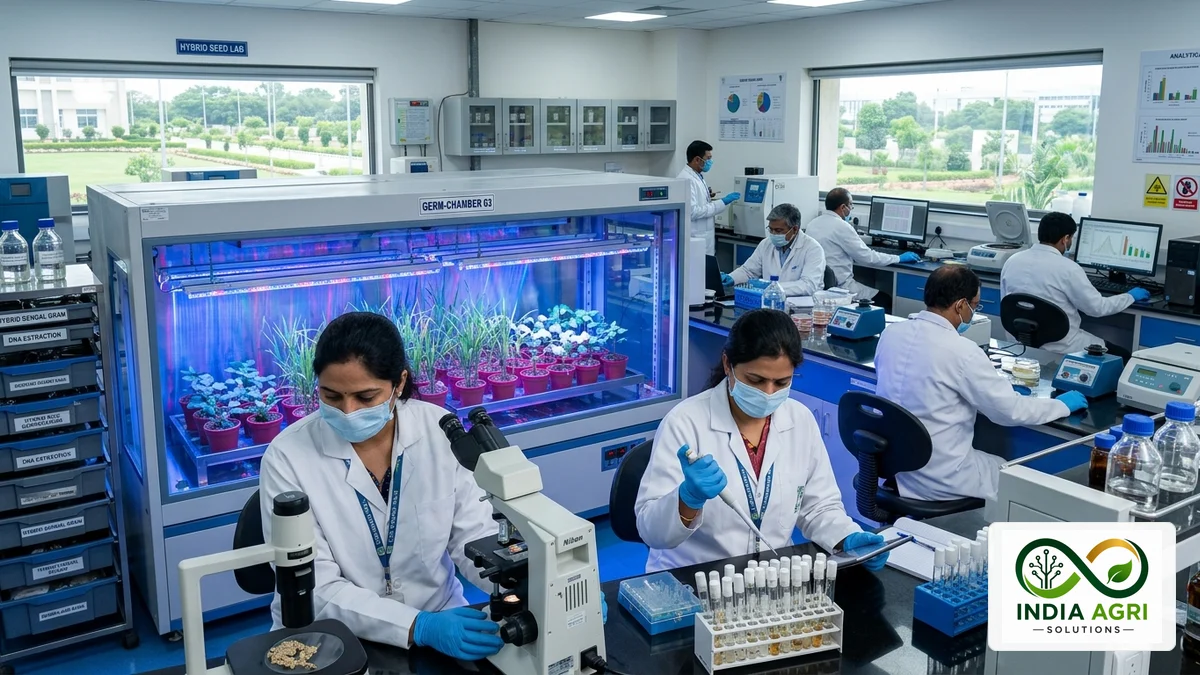
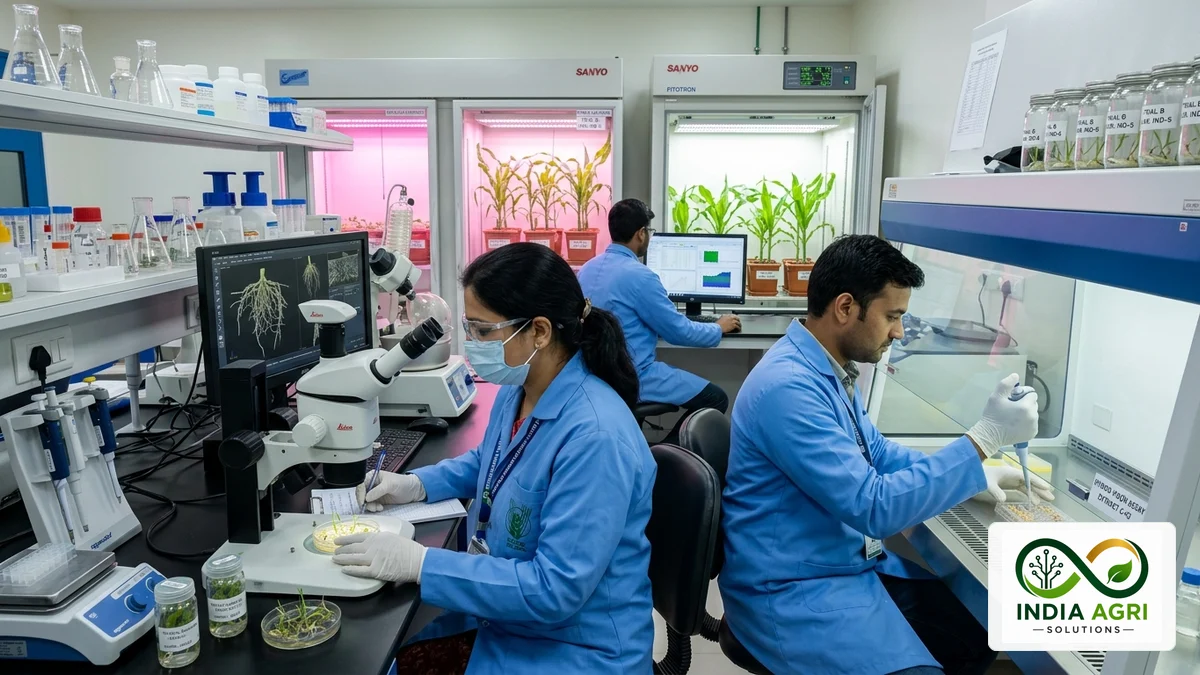
In-House R&D Recognition granted by the Department of Scientific & Industrial Research (DSIR), Ministry of Science and Technology, Government of India, is the premier statutory benchmark for corporate research facilities in India. For seed breeding enterprises, biotechnology startups, and agricultural input manufacturers, DSIR recognition transforms internal research units into officially accredited R&D facilities.
1. Income Tax Benefits Under Section 35(2AB)
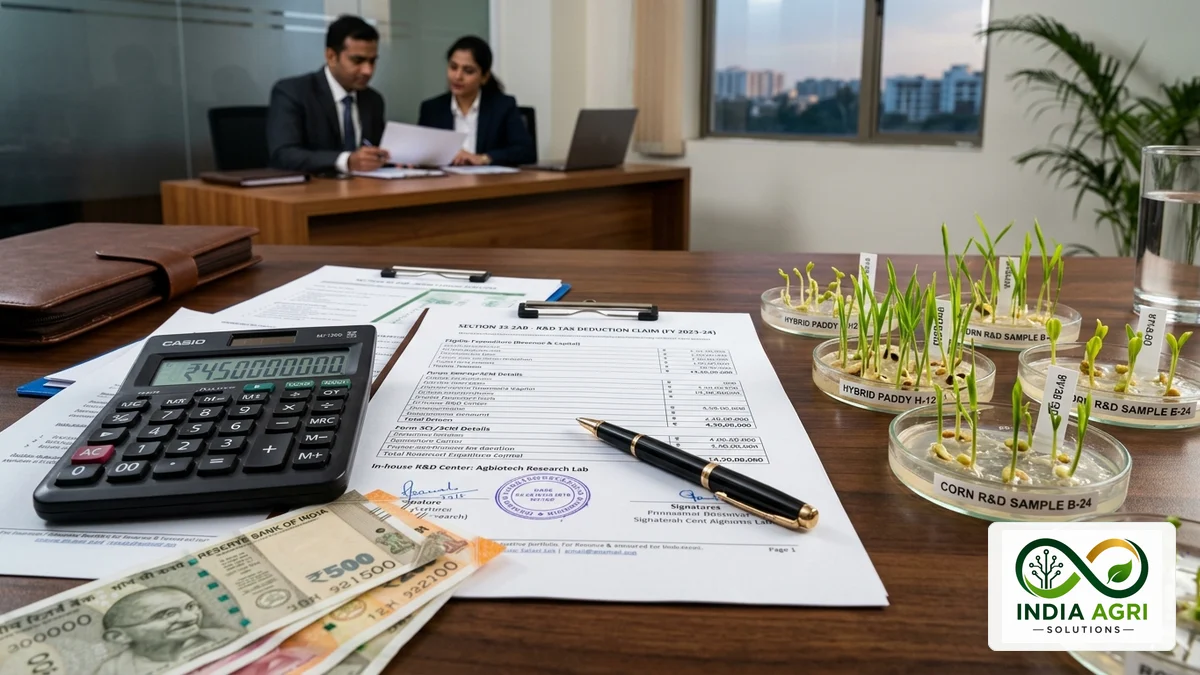
Section 35(2AB) of the Income Tax Act, 1961 allows companies engaged in the business of biotechnology or in-house research to claim tax deductions on R&D expenditure.
2. Statutory Concessions & Equipment Imports
- Customs Duty Exemption (Notification 51/96-Customs): Recognized R&D units can import specialized scientific instruments, laboratory consumables, growth chambers, and diagnostic kits at concessional customs duty rates.
- Duty-Free Germplasm & Breeding Material Import: Facilitates seamless clearance of exotic germplasm and parent lines under plant quarantine regulations.
3. Commercial Credibility & Institutional Access
Beyond tax savings, DSIR recognition serves as a vital trust signal for seed enterprises:
- Access to SAU & ICAR Germplasm: State Agricultural Universities (SAUs) and ICAR institutions prioritize DSIR-recognized companies for licensing public-bred parental lines and technology transfers.
- Government & Institutional Procurement: Essential eligibility criterion for major state seed corporation tenders and GeM high-value procurement bids.
- DSIR PRISM & Government R&D Grants: Unlocks eligibility for national research funding schemes, BIRAC grants, and NIDHI technology incubator support.
Evaluating Your In-House R&D Readiness?
India Agri Solutions provides comprehensive DSIR readiness audits, dossier compilation, and application filing for seed and agri enterprises.
Request DSIR AssessmentFrequently Asked Questions
Does DSIR recognition cover expenditure on agricultural trial land?
Land purchase costs are explicitly excluded from Section 35(2AB) deductions. However, operational expenses incurred on research trial fields (e.g., labor, irrigation, soil testing, breeding inputs) qualify as revenue R&D expenditure.
What is the validity period of DSIR R&D recognition?
Initial DSIR recognition is typically granted for 3 years. Recognized units must file renewal applications (Form 3CK/3CL documentation) prior to expiration.
Reviewed by India Agri Solutions Regulatory Panel
Senior Agricultural Regulatory Specialists & Agribusiness Consultants
Our advisory team consists of agricultural technocrats, seed production auditors, and regulatory consultants providing advisory services to seed companies, R&D units, and agribusinesses across India.